


Daily Vitality
The Guide




Guide · No. 01
Essential Vitamins and Minerals for Men
Maintaining consistent energy levels throughout the day depends on a foundation of essential micronutrients. This guide focuses on the role of natural supplements for men in supporting metabolic health and reducing fatigue. We look at the specific vitamins and minerals for men that are most relevant to maintaining strength and vitality during both work and exercise.
The content below is informational, not medical advice. It describes how each nutrient functions in the body and what to look for on supplement labels — so you can make informed choices as part of a broader healthy lifestyle.
01 / B-Vitamin Complex
The Impact of B-Vitamins on Energy
The B-vitamin complex plays a central role in converting the food you eat into cellular energy. B12, B6, and Folic Acid each contribute to neurological health and physical stamina by supporting enzymatic reactions that release energy from carbohydrates, fats, and proteins.
For men working long hours or under high stress, ensuring adequate intake of these water-soluble vitamins is a practical first step in managing daily fatigue. Because the body does not store B-vitamins in large amounts, daily intake through food or men's vitamin supplements becomes relevant when dietary variety is limited.
Natural sources include whole grains, eggs, liver, leafy greens, legumes, and fish. A supplement label listing B12 as methylcobalamin and folate as methylfolate indicates forms that the body can use directly without conversion.

02 / Magnesium
Magnesium for Muscle and Nerve Function
Magnesium is a mineral involved in hundreds of biochemical reactions in the human body, including those that regulate muscle contraction, nerve signalling, and the synthesis of proteins. We explain its importance in muscle relaxation and recovery, particularly after physical exertion.

Many men in active roles find that magnesium-rich supplements help maintain a sense of physical ease and support better sleep quality. The mineral works alongside calcium to balance contraction and release — calcium triggers a muscle to tighten, and magnesium allows it to relax again.
Common forms on supplement labels include magnesium citrate, glycinate, and oxide. Citrate and glycinate tend to be better absorbed than oxide. Leafy vegetables, nuts, seeds, and whole grains are reliable food sources worth maintaining before relying on a supplement alone.
Label check
- →Magnesium citrate or glycinate for absorption
- →Avoid oxide as the only source
- →Take with evening meal for sleep support
- →Spread across the day if dose exceeds 200 mg
03 / Zinc
Zn
Zinc and Balance
Zinc is a trace mineral that supports immune function, wound repair, and natural hormone production. It is involved in the activity of more than 300 enzymes — including those that build proteins and replicate cells — making it a mineral worth attention in any plan for men's health support.
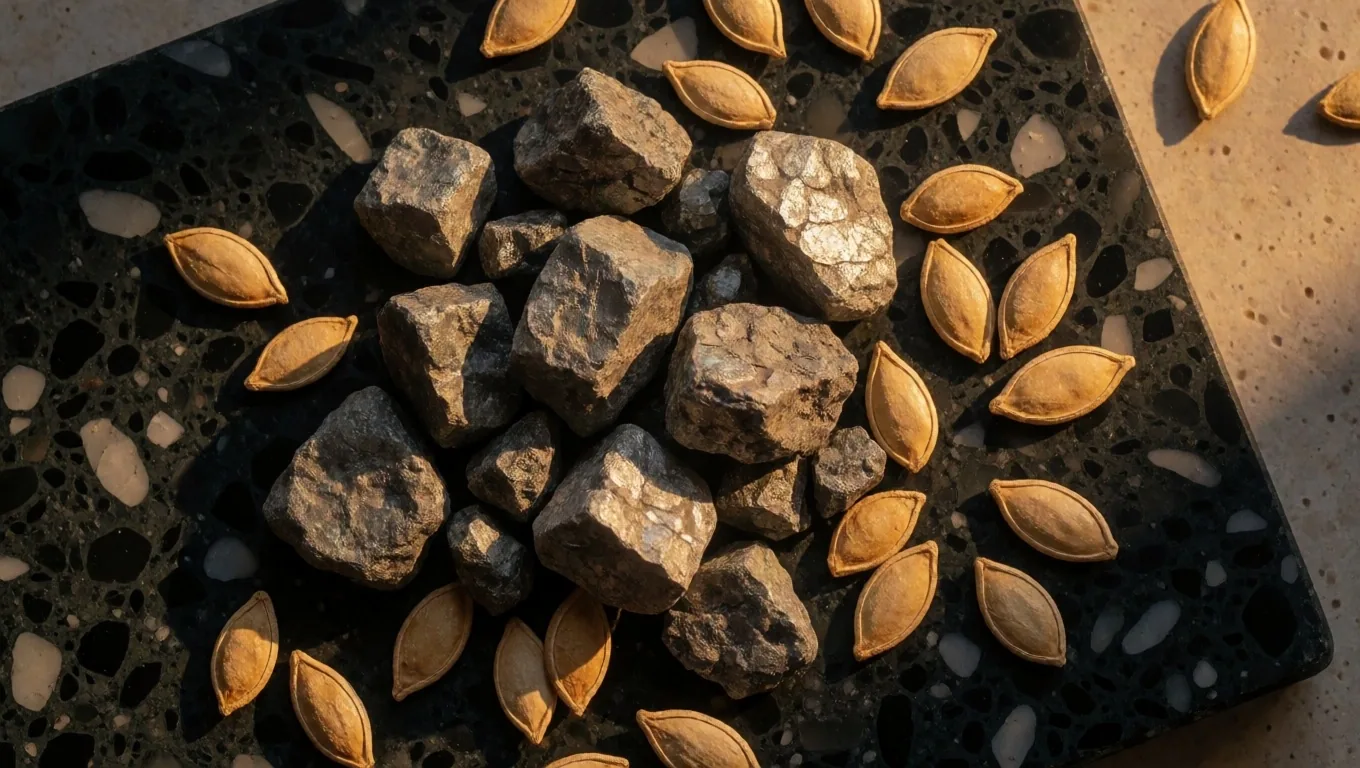
Because the body does not store zinc in a reserve, daily intake matters. Oysters, beef, pumpkin seeds, chickpeas, and cashews are dense natural sources. On a label, zinc picolinate and zinc gluconate are commonly well-absorbed forms.
Recommended daily intake for adult men is around 11 mg. Consistent intake above 40 mg per day over extended periods may interfere with copper absorption, so balance matters as much as the number.

04 / Vitamin D
Vitamin D and Bone Health
Often overlooked in tropical climates, Vitamin D remains essential for calcium absorption and immune function. Even in sunny Indonesia, indoor lifestyles and office hours can limit direct sun exposure, which is how the skin synthesises Vitamin D naturally. Supplementing with Vitamin D3 is a common way to ensure skeletal strength and long-term physical integrity.
Sun exposure
15–30 min midday, arms and face
Oily fish · salmon, mackerel
Natural D3 source, also protein and omega-3
Egg yolk
Modest D3 content, easy to include
Fortified foods
Some cereals and plant milks add D3
D3 supplement · cholecalciferol
When sun and food are not enough; take with a fa source

05 / Antioxidants
Antioxidants for Cellular Protection
Vitamin C, Vitamin E, and the mineral selenium act as protectors against oxidative stress — the cellular wear caused by pollution, intense exercise, and normal metabolic by-products. Each works in a different compartment: Vitamin C is water-soluble and works inside fluids; Vitamin E is fat-soluble and protects cell membranes; Selenium supports the enzymes that recycle oxidised antioxidants back to their active state.
A balanced intake of these nutrients helps maintain healthy skin, eyes, and internal systems. Using natural capsules for strength and vitality that include a balanced antioxidant profile can support overall longevity — but the goal is consistency over dose size.
Bell peppers, citrus, berries, almonds, sunflower seeds, and Brazil nuts are dense food sources. Two Brazil nuts per day supply adequate selenium for most adults — more is not better, and excess selenium intake can be harmful.
06 / Herbal Additions
Herbal Additions for Mental Clarity
Beyond basic vitamins, certain plant extracts like Ginkgo Biloba and Ashwagandha are used to support focus and stress response. These botanicals interact with daily nutrition to provide a broader approach to wellness. Mental energy is just as important as physical endurance for the modern Indonesian professional.

Ginkgo Biloba
Leaf extract traditionally used to support circulation and cognitive focus. Often taken in the morning with food.
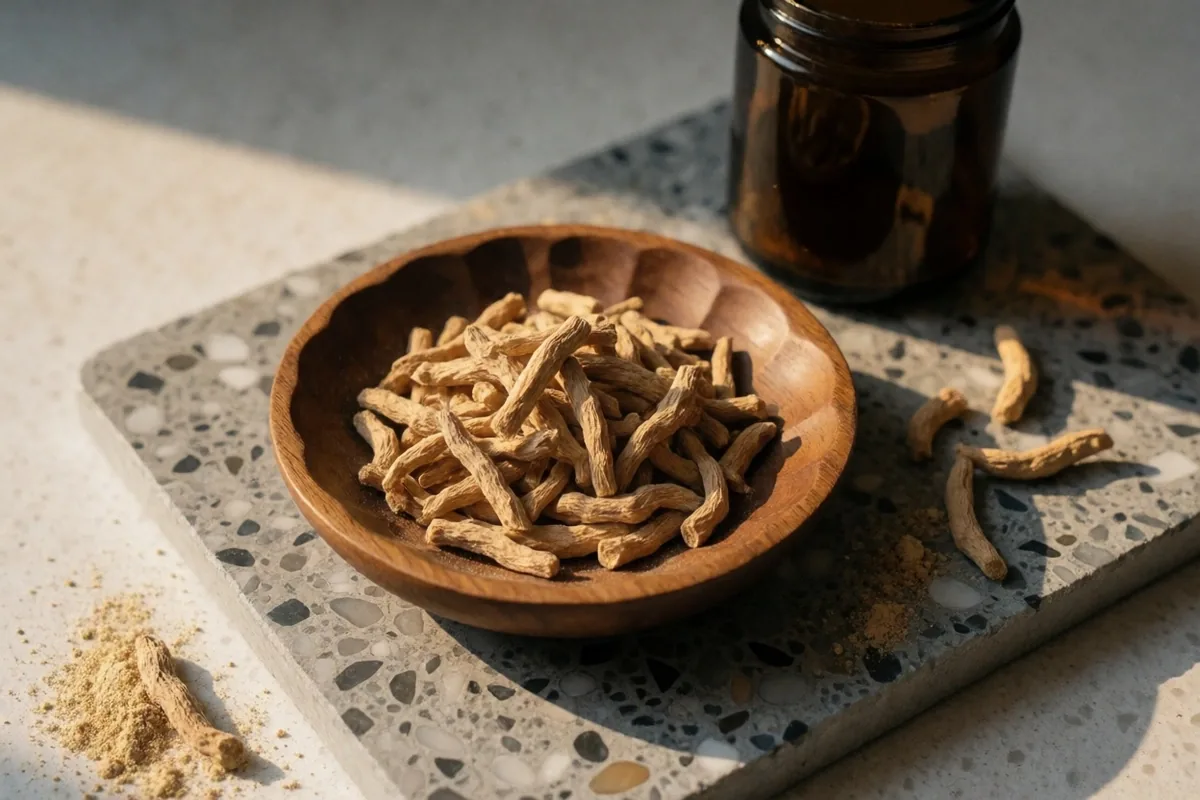
Ashwagandha
Root extract used in Ayurvedic practice to support the body's stress response. Often taken in the evening.
07 / Absorption
Absorption and Bioavailability
Taking a supplement is only half the picture — your body must be able to absorb it. Which vitamins should be taken with healthy fats, and which are best on an empty stomach? This practical knowledge ensures you get the most value from your healthy lifestyle products.
Vitamin A · D · E · K
Fat-soluble. Take with a meal that includes healthy fats — olive oil, eggs, avocado, or nuts.
Vitamin C · B-complex
Water-soluble. Take with water, with or without food. B12 is often better absorbed with a meal.
Iron
Best on an empty stomach with Vitamin C. Avoid taking with coffee, tea, or calcium.
Zinc
Take with food to reduce nausea. Separate from high-calcium or iron-rich meals by two hours.
Magnesium
Take with an evening meal. Spreads absorption and may support sleep quality.
Probiotics
Take as directed on the label, typically with a glass of water before a meal.
If you take multiple supplements, spread them across the day rather than taking everything at once. Staggering water-soluble vitamins (morning) and fat-soluble vitamins (with a main meal) keeps absorption steady and reduces the chance of one mineral blocking another.
08 / Progress
Monitoring Your Progress
A simple habit that helps you decide whether a supplement is working for you.
We encourage users to track how they feel after starting a new vitamin regimen. It usually takes several weeks for micronutrient levels to stabilise in the body — changes in energy or sleep are gradual, not sudden. By keeping a simple log of energy levels and physical performance, you can better adjust your supplement choices to meet your body's specific signals.
Simple tracking habit
-
1
Pick one nutrient at a time
Starting two or three supplements at once makes it hard to tell which one is helping.
-
2
Note a baseline for two weeks
Track sleep quality, energy mid-morning and mid-afternoon, and how you feel after exercise.
-
3
Add the supplement for six weeks
Keep the rest of your routine the same. Note the same markers each week.
-
4
Compare and decide
If the markers improved, keep going. If not, revisit the dosage, form, or whether the nutrient was needed at all.
Next steps
Compare Popular Products for Men
This guide explains what each nutrient does. The next step is comparing the popular products for men available on the Indonesian market — their ingredient profiles, forms, and label transparency — so you can match what you have learned here to what is on the shelf.
This guide is educational content, not a substitute for professional advice.
Back to Homepage